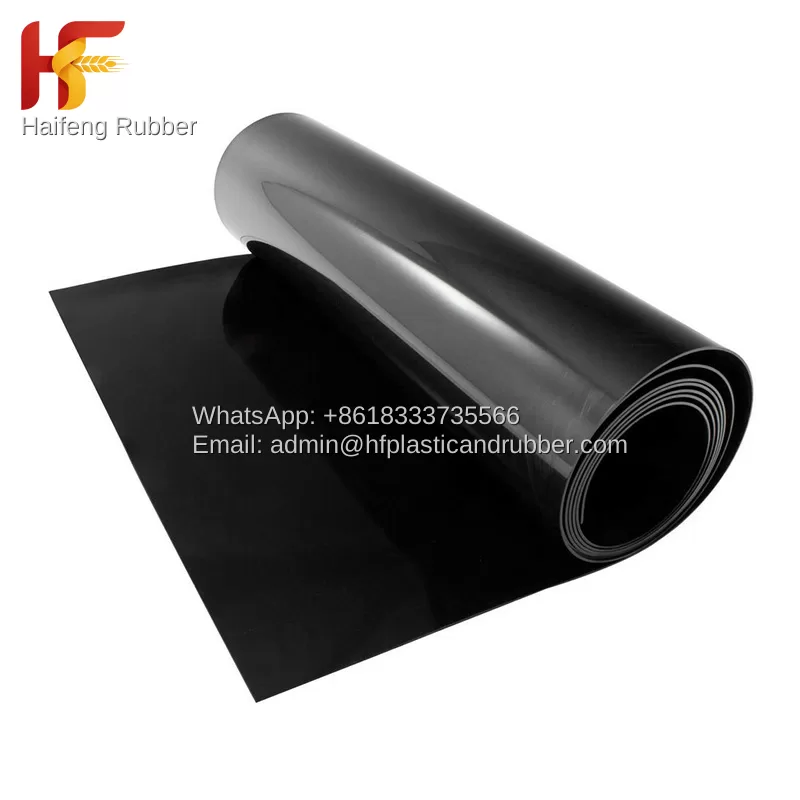
Product Overview
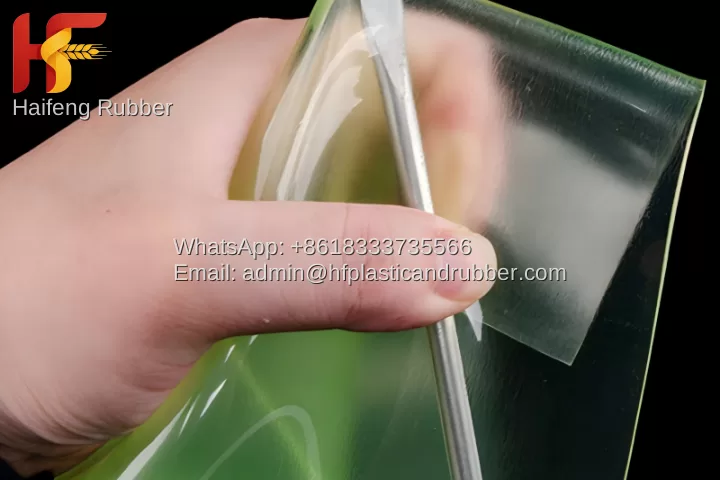
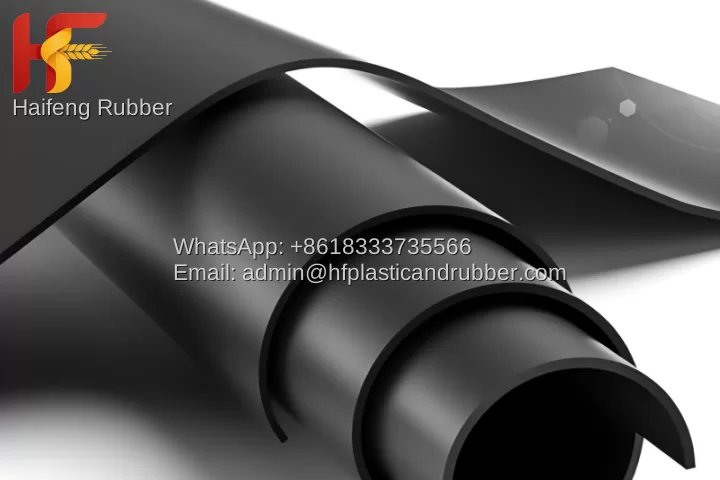
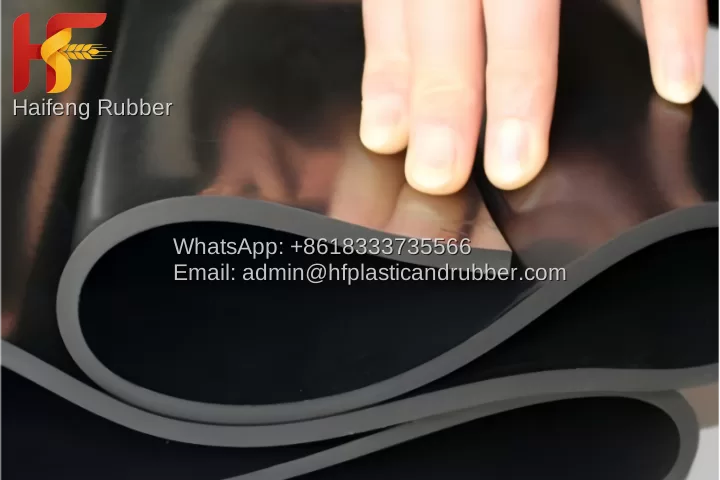
High Elasticity Rubber Sheet is compounded for high elongation, recovery and repeated flexing in pads, membranes and dynamically loaded components.
Elastic behavior is controlled by polymer type, hardness, thickness, cure and temperature. High elongation alone does not guarantee tear strength, fatigue life or oil resistance.
Specify elongation, tensile strength, tear strength, compression set, hardness, operating temperature and contact media using agreed test methods.
Haifeng Rubber supplies elastic sheet in rolls, cut pieces, membranes and custom parts after the required mechanical targets are confirmed.
Key Features
- High elongation and elastic recovery
- Flexible response under repeated deformation
- Custom tensile and tear targets
- Multiple hardness and thickness options
- Rolls, sheets and cut components
- Performance confirmed to agreed test methods
Applications
- Flexible diaphragms and membranes
- Rebound and impact pads
- Vacuum and forming equipment
- Flexible connectors and covers
- Protective liners
- Custom dynamically flexed parts
Specifications
| Thickness | 1mm to 50mm; range depends on compound and width |
|---|---|
| Width | 1000mm, 1200mm, 1500mm and 2000 mm by grade |
| Length | 5m, 10m or 20m rolls; cut lengths available |
| Hardness | 35 to 70 Shore A, depending on mechanical targets |
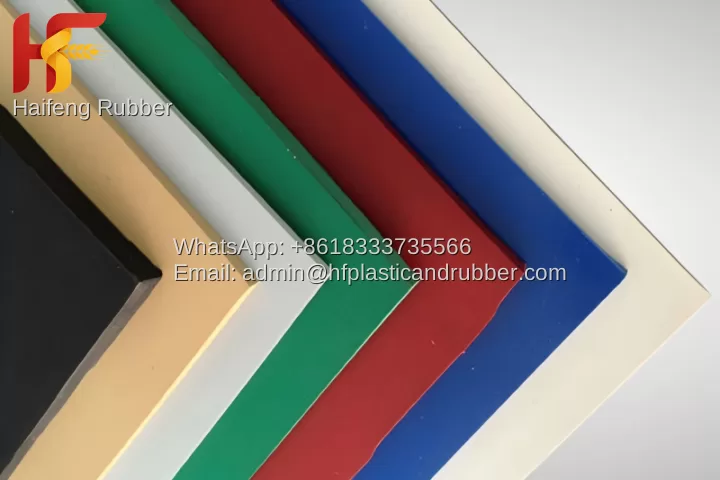
| Color | Black standard; other colors by compound |
| Density | 1.05g/cm³or 1.2g/cm³ |
| Temperature Range | Grade-dependent; confirm against the approved technical data sheet |
| Surface | Smooth or fabric-impression finish |
| Packaging | Export-wrapped rolls, cartons or pallet packing |
Customization Available
These options can be adjusted after the required application and order specification are confirmed.
- Rubber compound and performance targets
- Thickness, width and roll length
- Shore A hardness and color
- Smooth, fabric-impression or specified surface
- Full rolls, cut sheets and drawing-based parts
- Test reports, batch marking and export packaging
Frequently Asked Questions
What defines high elasticity rubber sheet?
It is selected using elongation, recovery, tensile and fatigue requirements rather than appearance alone.
Does higher elongation mean better tear strength?
Not necessarily. Elongation and tear resistance are separate properties and should be specified separately.
Which polymer is used?
Natural rubber and blended elastomers are common, but the final polymer depends on media, weathering and temperature.
Can soft hardness grades be produced?
Yes, subject to sheet thickness, handling and mechanical requirements.
Can it be used for diaphragms?
Yes, after pressure, stroke, thickness, reinforcement and service life are reviewed.
What information is needed?
Provide hardness, elongation, tensile, tear, compression set, temperature, media, dimensions and quantity.