Product Overview
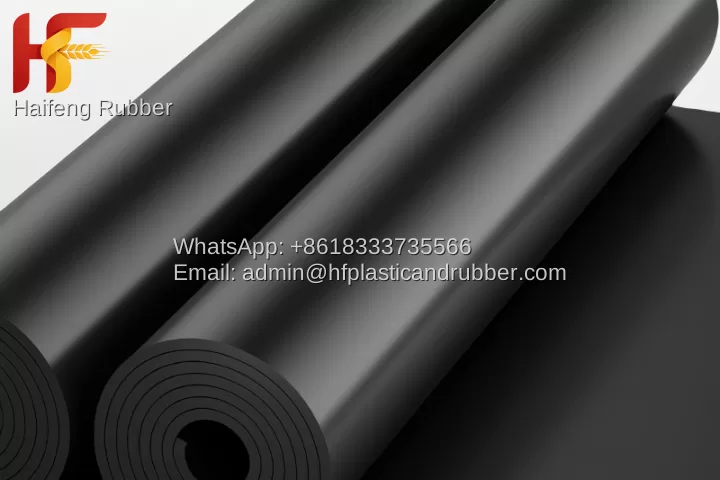
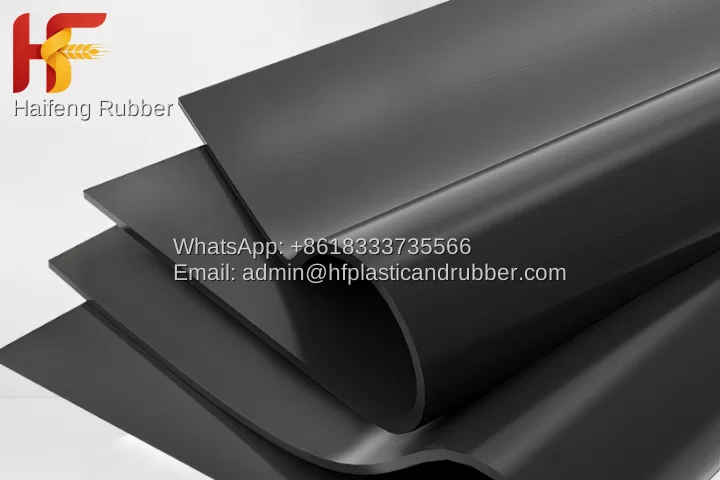
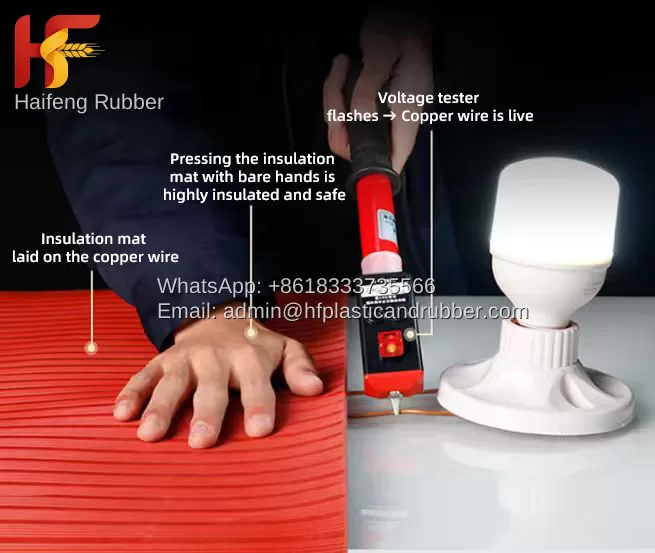
Insulation rubber sheet, often specified as electrical insulating rubber matting, is used to provide a supplementary insulating surface in front of switchboards, switchgear, control panels and other electrical working areas. It is supplied in rolls or cut mats for installation on clean, level floors.
The correct material cannot be selected by thickness or color alone. System voltage, applicable standard, insulation class, proof-test requirement, service environment and local safety rules must all be confirmed before production. Haifeng Rubber matches the compound and construction to the agreed specification and can arrange batch identification and test documentation when required.
Available surfaces include smooth, fine-ribbed and patterned finishes. A textured face can improve footing, but the finished mat must still meet the specified dielectric and dimensional requirements. Standard roll widths are suitable for electrical rooms, while cut lengths and shaped mats are available for individual panels and maintenance positions.
Electrical insulating matting is only one part of an electrical safety program. It does not replace correctly rated PPE, insulated tools, lockout/tagout procedures or safe working distances. Mats should be kept clean and dry, inspected before use and removed from service if they show cuts, cracks, contamination or other damage.
For an accurate quotation, provide the applicable standard and class, maximum working voltage, required proof or withstand test, thickness, width, length, surface pattern, color, quantity and documentation needs. If the standard has not yet been selected, send the installation country and application details for technical review.
Key Features
- Dielectric rubber compound for electrical working areas
- Rolls, cut mats and custom dimensions available
- Smooth, fine-ribbed and patterned surface options
- Multiple colors subject to the selected grade
- Voltage class and test method confirmed before production
- Batch reports, identification marks and packaging available by agreement
Applications
- In front of switchboards and switchgear
- Electrical substations and control rooms
- Power plants and distribution rooms
- Electrical maintenance workstations
- Transformer and generator rooms
- Industrial electrical cabinets and panel areas
Specifications
| Thickness | 3mm/5mm/6mm/8mm/10mm/12mm or specified by voltage class |
|---|---|
| Width | 1000mm, 1200mm and 1500mm; wider sizes by production review |
| Length | 5m or 10m rolls; cut mats available |
| Hardness | Commonly 65±5 Shore A; |
| Color | Black, red, green, gray or custom by grade |
| Density | Confirmed according to the approved insulating compound |
| Surface | Smooth, fine-ribbed, diamond or specified anti-slip pattern |
| Packaging | Export-wrapped rolls, cut mats or pallet packing |
Customization Available
These options can be adjusted after the required application and order specification are confirmed.
- Applicable standard and insulation class
- Working voltage and proof or withstand test requirement
- Thickness, width and roll length
- Smooth, ribbed or specified surface pattern
- Black, red, green, gray or approved custom color
- Full rolls, cut mats, strips and shaped pieces
- Product marking, batch identification and test reports
- Export wrapping, pallet packing and private labels
Frequently Asked Questions
What is insulation rubber sheet used for?
It provides a supplementary insulating surface for personnel working near switchboards, switchgear and other energized electrical equipment.
Is electrical insulating rubber matting the same as ordinary rubber flooring?
No. Ordinary flooring is not manufactured or tested for dielectric performance and should not be used for electric-shock protection.
How should the thickness be selected?
Select it from the applicable standard, insulation class and required electrical test. Thickness by itself does not establish a safe working voltage.
What voltage can the sheet withstand?
There is no single rating for every insulation rubber sheet. The allowable class and test voltage must be supported by the selected grade and its test documentation.
Can you supply IEC 61111 or ASTM D178 matting?
Options can be reviewed against IEC 61111 or ASTM D178, but the exact standard, class and documentation must be agreed before production.
Are textured surfaces available?
Yes. Smooth, fine-ribbed and patterned finishes can be supplied, subject to the dielectric and dimensional requirements of the selected grade.
Can insulation rubber matting be used outdoors?
Outdoor suitability depends on the compound, weather exposure and applicable standard. Most electrical-room products are intended for controlled indoor use unless otherwise specified.
Does the mat require inspection or periodic testing?
Yes. Follow the applicable standard and site safety procedure, inspect before use and remove any mat with cuts, cracks, contamination or other damage.
Can anti-static or conductive rubber replace an insulating mat?
No. Conductive and anti-static products control static charge and are not substitutes for electrical insulating matting.
Can you provide custom sizes and test reports?
Yes. Provide the required standard, class, test method, dimensions, quantity and marking needs so availability can be confirmed.