Product Overview
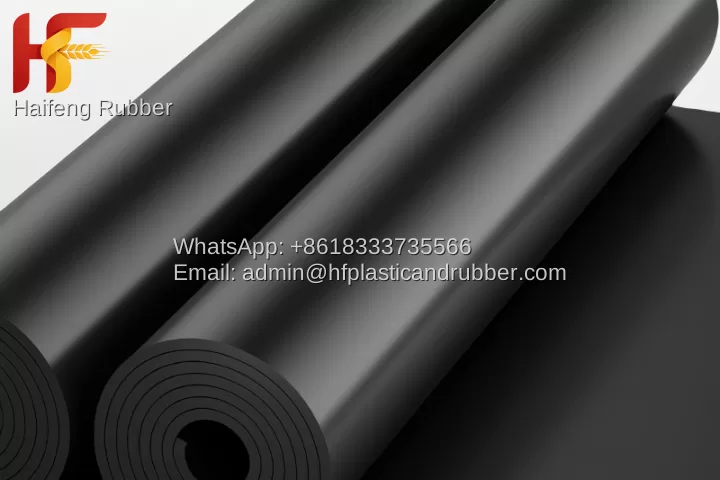
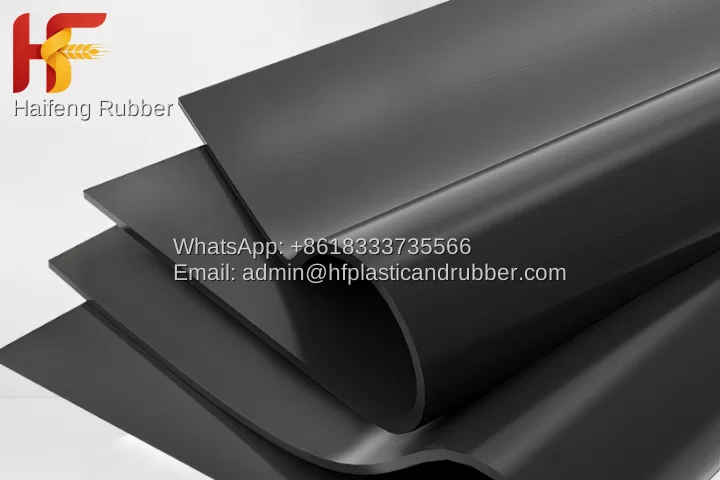
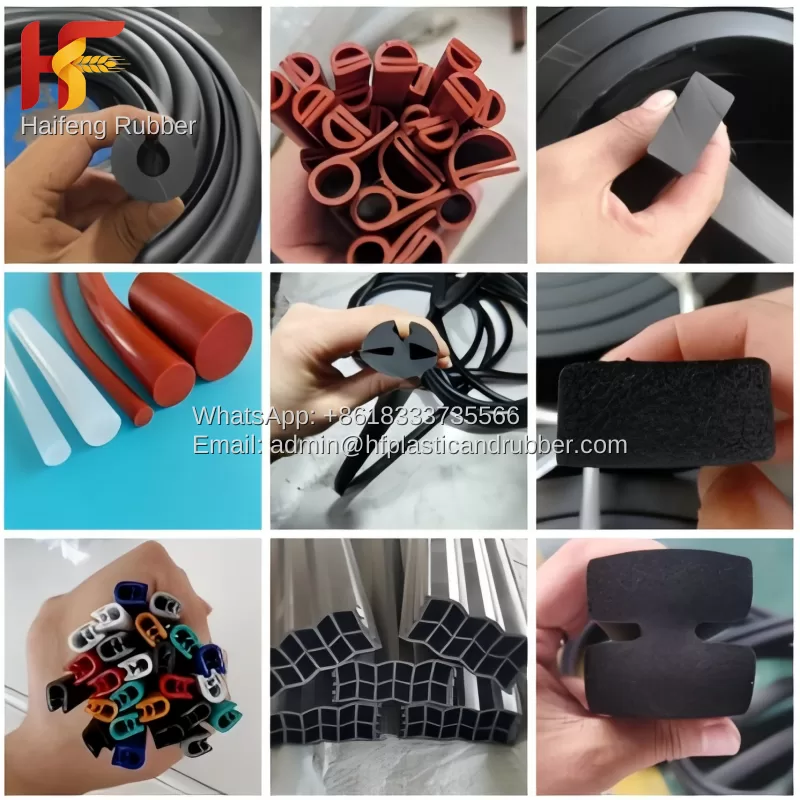
Rubber strip and rubber tubing are made in different polymers, sections and manufacturing processes. A strip is normally solid or sponge material supplied in rectangular or profiled lengths. Tubing is hollow and must be specified by inside diameter, outside diameter and wall thickness.
There is no universal rubber grade for every fluid or environment. EPDM is commonly reviewed for weather, water and ozone; NBR for compatible oils; CR for balanced industrial service; and silicone for wider temperature requirements.
Because buyers search for strip and tubing separately, high-volume programs should ultimately use two dedicated pages. This page supports the current combined website URL without treating the products as technically identical.
This combined page should be split into a Rubber Strip page and a Rubber Tubing page if both product groups are actively marketed.
Key Features
- Solid, sponge and hollow profile options
- Multiple rubber polymers selected by service medium
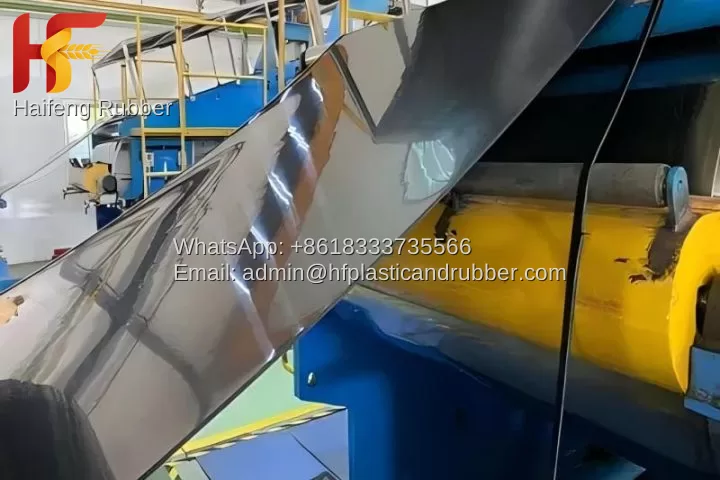
- Continuous extrusion for repeatable sections
- Straight cut, angle cut and coil supply
- Adhesive backing available for selected strip constructions
- Sample and drawing review before production tooling
Applications
- Door, window and enclosure seals
- Machine guards and edge protection
- Automotive and equipment sealing
- HVAC and construction joints
- Low-pressure fluid or air tubing after compatibility review
- Cushioning strips and spacer profiles
Specifications
| Thickness | custom |
|---|---|
| Width | custom |
| Length | custom |
| Hardness | custom |
| Color | custom |
| Density | custom |
| Packaging | custom |
Customization Available
These options can be adjusted after the required application and order specification are confirmed.
- Polymer and hardness
- Solid or sponge construction
- Profile cross-section
- Inside and outside diameter
- Adhesive backing
- Cut length, marking and packaging
Frequently Asked Questions
What information is needed for rubber strip?
Provide the cross-section, width, thickness, material, hardness, length and quantity.
How is rubber tubing specified?
State the inside diameter, outside diameter or wall thickness, polymer, pressure, fluid and temperature.
Which rubber is best outdoors?
EPDM is commonly selected for ozone and weather exposure, but the complete environment still needs review.
Can rubber tubing carry fuel?
Only a compatible, purpose-designed compound should be used. Provide the exact fuel, pressure and temperature before selection.
Is adhesive-backed strip available?
Yes for suitable surfaces and service conditions. Adhesive performance depends on substrate preparation, temperature and load.
Can Haifeng Rubber provide custom sizes and cut parts?
Yes. Provide the required dimensions, tolerances, quantity and drawing so the suitable manufacturing method can be reviewed.
What information should be included in an enquiry?
State the application, operating environment, required properties, dimensions, quantity, applicable test method and documentation needs.