Product Overview
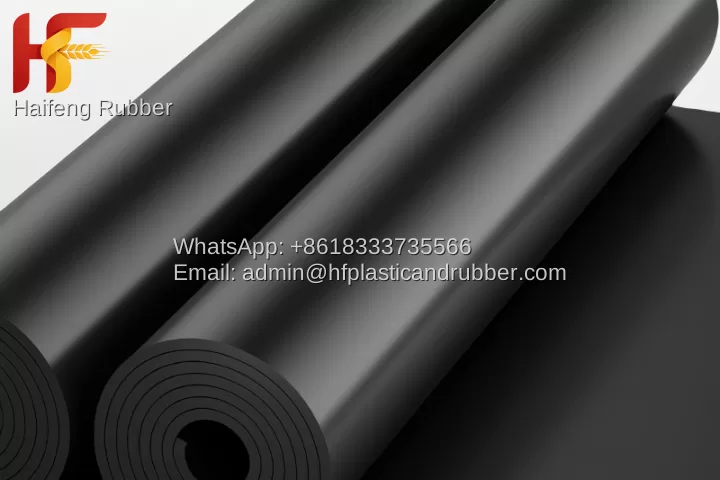
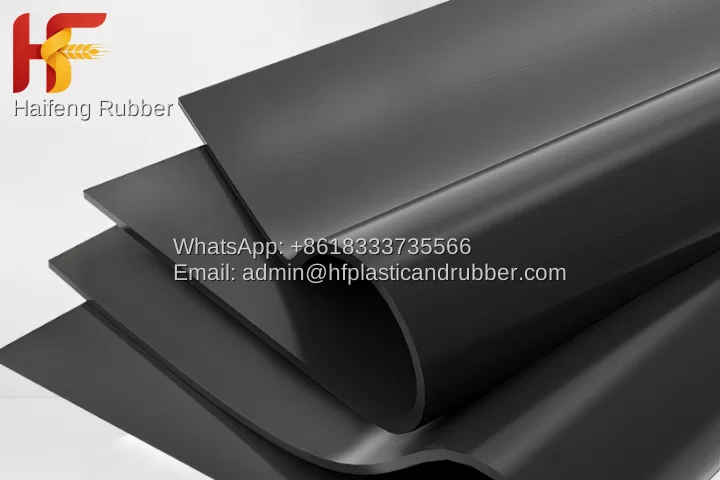
Anti-static rubber sheet is designed to control electrostatic charge in work areas where uncontrolled electrostatic discharge may damage electronic components, assemblies or test equipment. It is also called ESD rubber sheet, static-dissipative rubber mat or ESD workbench mat.
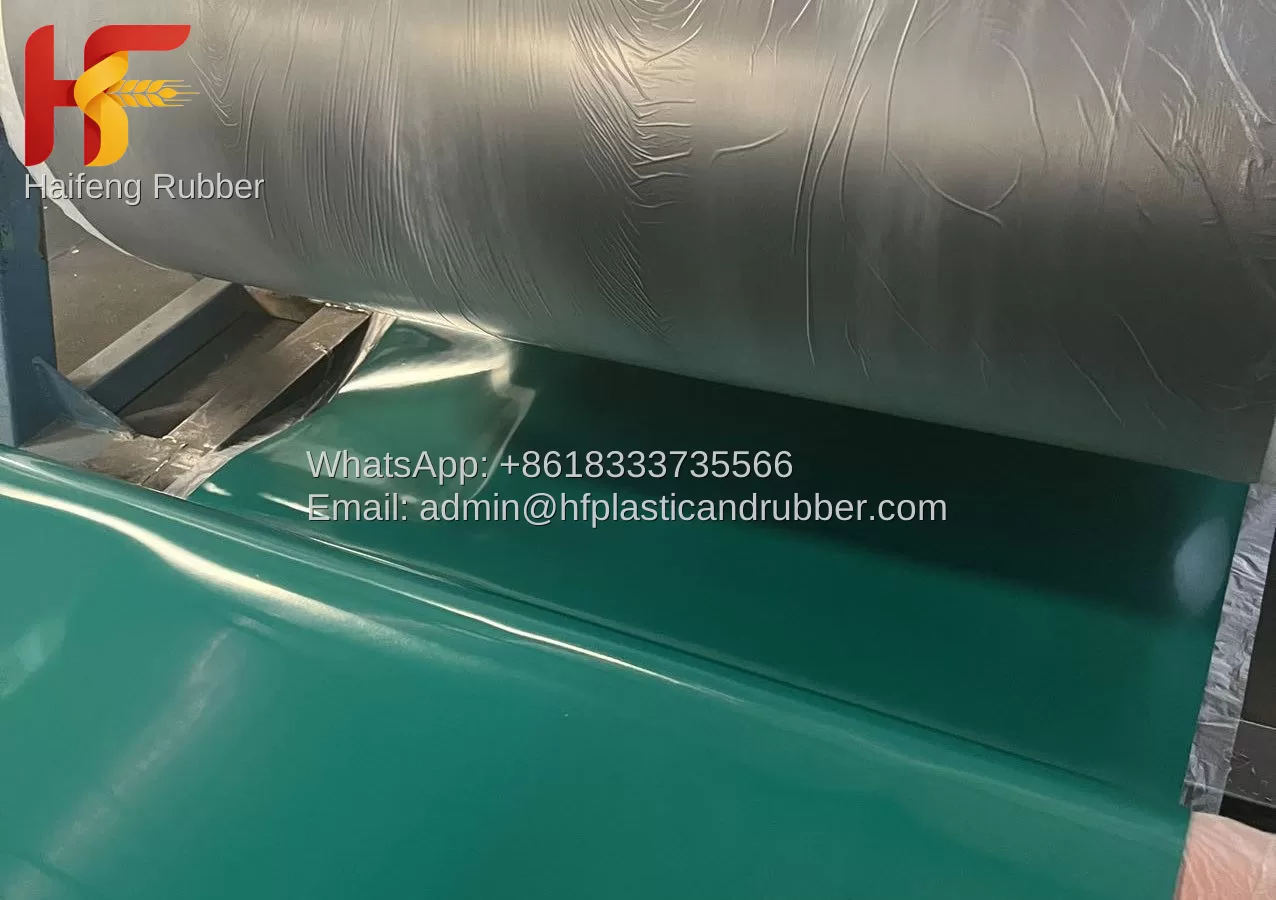
A common construction uses two layers: a coloured static-dissipative top surface and a black conductive backing layer. The layers work with a suitable grounding point to provide a controlled path for charge dissipation. Single-layer conductive or dissipative grades may also be available for specific installations.
Anti-static, static-dissipative and conductive are not interchangeable performance claims. The required resistance range, test method, grounding arrangement and end-use standard must be confirmed before production. Haifeng Rubber supplies ESD rubber sheet in rolls, cut bench mats and custom dimensions with optional grounding accessories.
Key Features
- Designed to control static charge in an appropriately grounded ESD system
- Two-layer construction with dissipative top and conductive backing available
- Single-layer conductive or dissipative grades available by specification
- Supplied in rolls, cut workbench mats and custom sheet sizes
- Smooth matte or specified textured surface options
- Resistance values tested according to the agreed method and conditions
Applications
- Electronics assembly workbenches
- Component inspection and testing stations
- PCB manufacturing and repair areas
- Semiconductor and electronic-device handling
- Laboratories and technical workstations
- ESD-controlled packing and storage areas
- Production floors requiring a designed ESD grounding system
- Custom bench covers and equipment-area mats
Specifications
| Thickness | 1mm/2mm/3mm/4mm/5mm/6mm/8mm/or custom |
|---|---|
| Width | 1000 mm, 1200 mm, 1400 mm, 1500 mm and 2000 mm |
| Length | 10 m rolls or custom |
| Hardness | 65 ±5 |
| Color | Black, gray, red, blue, white or custom color |
| Density | 1.6g/cm³ |
| Temperature Range | commonly reviewed within approximately −30°C to +80°C |
| Surface | Smooth matte, textured or specified pattern |
| Packaging | Export-wrapped rolls, cut sheets or pallet packing |
Customization Available
These options can be adjusted after the required application and order specification are confirmed.
- Static-dissipative, conductive or two-layer construction
- Required surface and backing resistance range
- Thickness, width, roll length and cut-mat dimensions
- Green, blue, gray or specified surface colour
- Smooth matte or textured finish
- Grounding snaps and compatible ground cords
- Cutouts and shapes for workbench layouts
- Roll marking, product labels and private labeling
- Test reports and batch inspection by agreed requirements
- Carton, roll or palletized export packaging
Frequently Asked Questions
What is anti-static rubber sheet?
Anti-static rubber sheet is designed to control electrostatic charge in grounded ESD work areas. It is commonly used on electronics assembly benches, testing stations and controlled production floors.
Is an anti-static rubber sheet the same as an ESD rubber mat?
The terms are often used together, but the product must still meet the required resistance range and test method. A marketing label alone does not confirm ESD performance.
What is the difference between anti-static, dissipative and conductive rubber?
Anti-static generally describes reduced static-charge generation. Static-dissipative material releases charge at a controlled rate, while conductive material provides a lower-resistance path. The required category depends on the ESD control plan.
Is anti-static rubber sheet electrically insulating?
No. ESD rubber sheet is intended to dissipate or conduct static charge and should not be used as electrical safety insulation. Electrical insulating mats are a separate product category with different test requirements.
Does an ESD rubber mat need to be grounded?
Yes. A dissipative or conductive mat normally needs an approved grounding connection to function as part of an ESD control system. Follow the facility’s ESD grounding procedure.
What resistance value should I specify?
The correct value depends on whether the product is a work surface, floor, shelf liner or other component. Provide the applicable IEC or ANSI/ESD requirement, test method and resistance-to-ground target.
What is the purpose of the two-layer construction?
The coloured top layer provides a controlled static-dissipative work surface. The conductive black backing helps carry charge toward the grounding connection.
Can anti-static rubber sheet be used as flooring?
It can be used in an engineered ESD flooring system when the resistance-to-ground requirement, joints, adhesive, grounding network and installation method have been confirmed.
Can it be used in a cleanroom?
Only when the selected grade meets the cleanroom’s particle, contamination, chemical and ESD requirements. Standard anti-static sheet should not automatically be described as cleanroom approved.
Is anti-static rubber sheet suitable for explosive atmospheres?
Not automatically. Hazardous locations require a complete risk assessment, grounding design and compliance with the applicable regulations. An ESD mat alone does not certify an area as safe.
Can custom bench mats be supplied with grounding accessories?
Yes. Provide the workbench dimensions, required resistance range, colour, thickness and grounding-point position for production review.