
Post
SBR or EPDM Rubber Sheet: Which One Should You Choose?
EPDM for outdoor, wet or ozone exposure; SBR for dry indoor abrasion on a budget. A practical comparison, five-step selection and China sourcing checks.
Quick answer: choose EPDM if the sheet sits outdoors, gets wet, or faces UV and ozone. Choose SBR if the part stays indoors, dry and abrasive, and cost per square metre is the main constraint. Neither one is oil resistant — for oil, fuel or grease you need NBR.
Updated November 2026 · reviewed by the Haifeng Rubber technical team
Key takeaways
- EPDM wins on weather, water and steam; SBR wins on price and abrasion.
- Both fail in mineral oil, fuel and grease. Don’t use either one there.
- A cheap “EPDM” sheet is often an SBR/EPDM blend. Ask for an ozone test report.
- Compare suppliers on cost per kg delivered, not price per roll.
- Hardness matters as much as material: 50 and 70 Shore A behave like different products.
What actually differs between them
SBR is styrene-butadiene rubber — the general-purpose workhorse. Cheap, easy to mix, good abrasion resistance, and it doesn’t like sunlight.
EPDM is ethylene propylene diene monomer. It costs more, but its saturated polymer backbone shrugs off ozone and UV, which is why it’s the default for anything installed outdoors.
| SBR | EPDM | |
|---|---|---|
| Outdoor life | 1–2 seasons, then cracks | Years |
| Water and steam | Fair | Very good |
| Oil, fuel, grease | Poor | Poor |
| Continuous heat | ~100 °C | ~120 °C |
| Abrasion | Excellent | Good |
| Density | 1.4–1.6 g/cm³ | 1.2–1.4 g/cm³ |
| Hardness | 50–80 Shore A | 40–90 Shore A |
| Price | Lower | Higher |
Typical values for compounded sheet — confirm on the compound data sheet.
Is SBR or EPDM better outdoors?
EPDM, and it isn’t close.
SBR has double bonds in its backbone that ozone and UV attack directly. Leave an SBR mat outside and you’ll see surface chalking first, then fine cracks, then real cracks — usually within one to two seasons depending on climate.
EPDM’s backbone is saturated, so there’s nothing for ozone to attack. That’s why roofing membranes, weather stripping and outdoor gaskets are almost always EPDM.
If the part is outdoors and you’re pricing SBR to save money, you’re usually buying the same part twice.
Which handles heat and steam better?
EPDM again, but the gap is smaller.
SBR is comfortable to about 100 °C continuous. EPDM goes to roughly 120 °C, and handles short peaks higher. For steam lines and HVAC condensate, use EPDM — SBR degrades faster once moisture and heat combine.
Above 150 °C you’re out of both materials and into silicone or FKM territory.
What about oil and grease?
Neither. Both swell badly in mineral oil, diesel, grease and many solvents.
If the sheet touches oil, stop comparing SBR and EPDM and look at NBR — see NBR or EPDM: which one to quote. This is the single most common specification mistake we see.
Which one is cheaper?
SBR, by a clear margin — enough that some suppliers sell SBR/EPDM blends as EPDM.
Two practical checks:
- Ask for the ozone resistance test report, not just a datasheet.
- Order a sample, leave it outdoors for four to six weeks, and look for cracking.
A blend will pass a density check and fail the weather.
How to decide, in five steps
- Write down every medium the sheet touches — water, steam, oil, fuel, solvent, acid, UV. One wrong medium decides the material for you.
- Note the temperature range, including peaks. 90 °C continuous is fine for SBR; a 130 °C steam line isn’t.
- Decide indoor or outdoor, and the service life you expect. Five years outdoors means EPDM, full stop.
- Fix the physical spec: thickness and tolerance, width, hardness, surface finish, fabric reinforcement.
- Compare cost per kilogram delivered, not per roll — roll lengths differ, and that’s where quotes hide the difference.
Buying China rubber sheet: four checks that matter
China supplies most of the world’s industrial rubber sheet, and the price advantage is real. The risk isn’t the country — it’s the gap between the brochure and the compound.
- Get density and hardness tolerance in writing. A nominal 3 mm sheet at the top of its tolerance weighs several percent more, and you pay for that in freight.
- Test the EPDM claim. Cheap “EPDM” is often a blend. Ask for ozone testing, or run the outdoor sample test above.
- Confirm compliance for your market. REACH and RoHS for the EU, FDA or food-contact grades for food equipment, IEC 61111 reports for insulating matting.
- Check packing and container limits. Rubber sheet is dense: a 20 ft container usually hits its payload before it runs out of space.
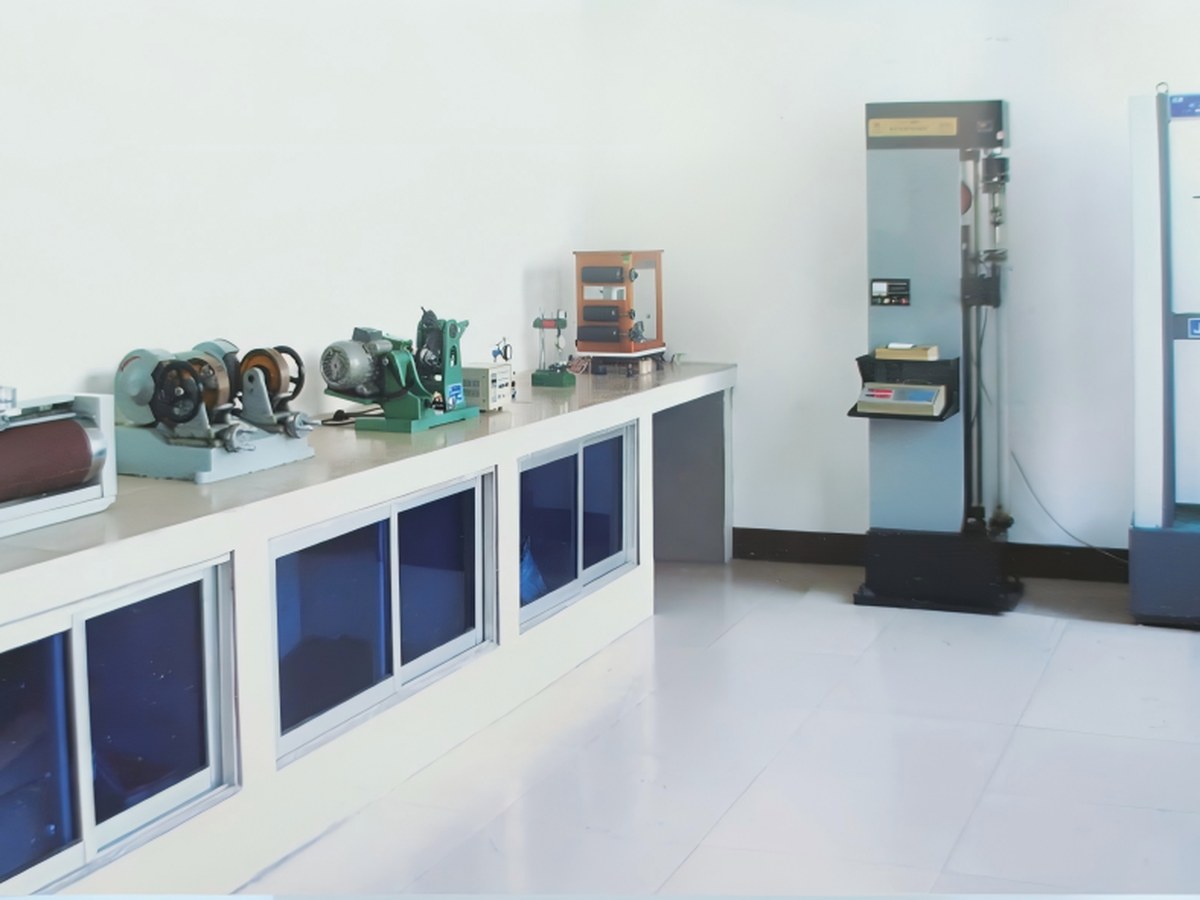
One more question separates factories from traders: who mixes the compound? A factory can adjust density and hardness to your target. A trader can only resell what’s on the shelf.
Common mistakes
- Using EPDM for an oil-exposed part because “EPDM is the better material”. It swells and fails within weeks.
- Using SBR outdoors to save money, then replacing it every season.
- Comparing price per roll when roll lengths differ. Convert to cost per kg and per m².
- Ignoring hardness. Same material, same thickness, 50 vs 70 Shore A — completely different behaviour.
FAQ
Can I use EPDM instead of SBR?
Only if the part is outdoors or wet. Indoors and dry, EPDM costs more without solving a problem. And it can’t replace SBR where oil is present — both materials fail there.
Which lasts longer outdoors, SBR or EPDM?
EPDM, by years. SBR starts chalking and cracking within one to two seasons of UV and ozone exposure, while EPDM typically holds up for five years or more in the same conditions.
What hardness should I order?
60–70 Shore A covers most gaskets and pads. Go softer (40–50) for sealing and cushioning, harder (80–90) for wear parts.
Is China rubber sheet good quality?
It can be excellent — most global supply comes from there. Quality depends on the factory, not the country: ask who mixes the compound, request batch test reports, and test a sample before a bulk order.
Next step
Tell us the application, what the sheet touches, the temperature range, and your target thickness and hardness. We’ll tell you whether SBR or EPDM is the right call, quote per kilogram and per roll, and send the batch test report before you commit.